How the Turkey Font Elevates Branding for Small Businesses
As a small business owner, I’ve learned that every visual detail counts—especially when it comes to typography. That’s why I was excited to discover Turkey, a script font that brings elegance and personality to everything from product labels to social media posts. If you're looking to refine your brand identity without overcomplicating your design process, Turkey might be the typeface you’ve been searching for.
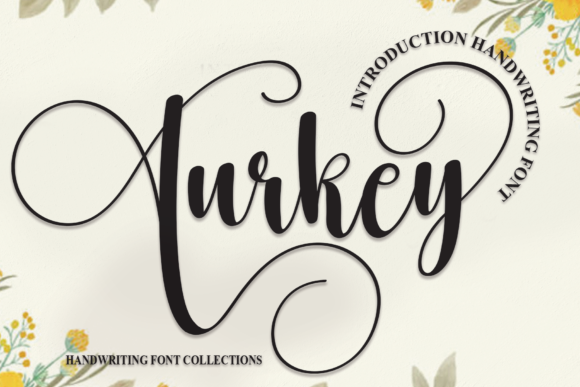
Turkey is a modern script font with a graceful, flowing style that feels both timeless and contemporary. Its soft curves and balanced spacing give it a distinctive charm, making it ideal for brands that want to convey sophistication and approachability. Whether you're designing a logo for a boutique or labeling handmade candles, Turkey adds a touch of refinement that’s hard to ignore.
One of the most important aspects of branding is consistency, and choosing the right font plays a big role in that. When I started using Turkey across my business materials—like packaging, thank-you cards, and Instagram stories—I noticed how much more cohesive everything looked. It’s not just about aesthetics; it’s about creating a visual identity that customers can recognize and trust.
Real-World Uses for Turkey in Branding
Turkey works especially well as a headline or accent font. Here are a few practical ways I’ve used it to elevate my brand:
- Logo design: Perfect for boutique shops, wellness brands, or creative services that want a polished yet personable look.
- Packaging design: Adds a premium feel to product labels, whether you're selling skincare, candles, or artisan food items.
- Social media graphics: Ideal for Instagram posts, Pinterest pins, and Facebook banners where visual appeal matters.
- Website banners: Use it sparingly in headers or call-to-action buttons to draw attention without overwhelming the layout.
- Printed materials: From business cards to flyers, Turkey gives your offline marketing a refined edge.
It’s important to remember that script fonts like Turkey are best used for short text. They’re not meant for long paragraphs or body copy. Think of them as the jewelry of your brand visuals—meant to accent, not overwhelm.
Why Font Choice Matters for Small Businesses
Your font choice may seem like a small detail, but it has a big impact on how your brand is perceived. A clean, professional font can make your business feel more trustworthy, while a decorative one like Turkey can help you stand out in a crowded market. The key is to match the tone of your font to your brand personality.
For example, if you run a cozy café, using Turkey for your menu headers or seasonal signage can make your brand feel warm and inviting. If you’re a life coach or service provider, it can add a touch of elegance to your logo and marketing materials, helping you attract clients who value quality and professionalism.
Typography is part of your brand identity, just like your color palette or logo. And when you use a font like Turkey consistently across your materials, it reinforces your brand in subtle but powerful ways.
Readability Tips for Real Business Settings
Before committing to Turkey for your brand, it’s important to test how it looks in different contexts. For example:
- Product labels: Make sure the font is legible at small sizes. You may need to adjust spacing or use it only for short names or phrases.
- Mobile screens: Preview how it looks on phone displays, especially for digital ads or website headers.
- Social media thumbnails: Ensure the text remains clear and readable even when scaled down.
If you're unsure, create mockups of your materials with Turkey and compare them to alternatives. This helps you avoid design choices that look great on your screen but don’t translate well in real life.
Pairing Turkey with Other Fonts
One of the best ways to use Turkey effectively is to pair it with a more neutral font. This creates visual balance and ensures your content remains easy to read. Here are a few pairing ideas that work well:
- Turkey + Sans Serif: Use Turkey for headlines and a clean sans serif like Montserrat or Open Sans for body text.
- Turkey + Serif: Pair it with a classic serif like Playfair Display for a more traditional, editorial feel.
- Turkey + Monospace: For a unique contrast, try combining Turkey with a modern monospace font in digital designs.
These combinations help maintain readability while letting Turkey shine as a design highlight. The goal is to use it where it has the most visual impact—like in logos, headers, and featured text.
Checking Font Licensing for Commercial Use
Before using Turkey in your business materials, make sure you have the right licensing. Many script fonts are sold under commercial licenses that allow use in product packaging, digital downloads, and advertising. However, it’s always a good idea to double-check the terms.
Some fonts are only licensed for personal use, which means you can’t legally use them in products you sell or in client work. Turkey is a Script Amp font, and if you're using it for commercial purposes—like printing on merchandise or including it in a logo—you’ll want to confirm that your license covers those uses.
Many font marketplaces clearly list licensing terms, so take a moment to review them before finalizing your design. This small step can save you from potential legal issues later on.
Testing Turkey Before Full Brand Adoption
When I first found Turkey, I didn’t jump straight into using it everywhere. Instead, I tested it in a few key areas—like my website’s hero banner and a sample product label. This helped me see how it looked in different formats and gave me confidence in my choice.
If you’re considering Turkey for your brand, try it out in a few mockups before committing. Create a sample social media post, design a business card, or print a small label to see how it holds up in real life. This way, you can make an informed decision without redoing a lot of work later.
Remember, the goal is to build a brand that feels cohesive and professional. Turkey can help you get there, but like any design choice, it should support your overall brand strategy—not drive it alone.